Introduction
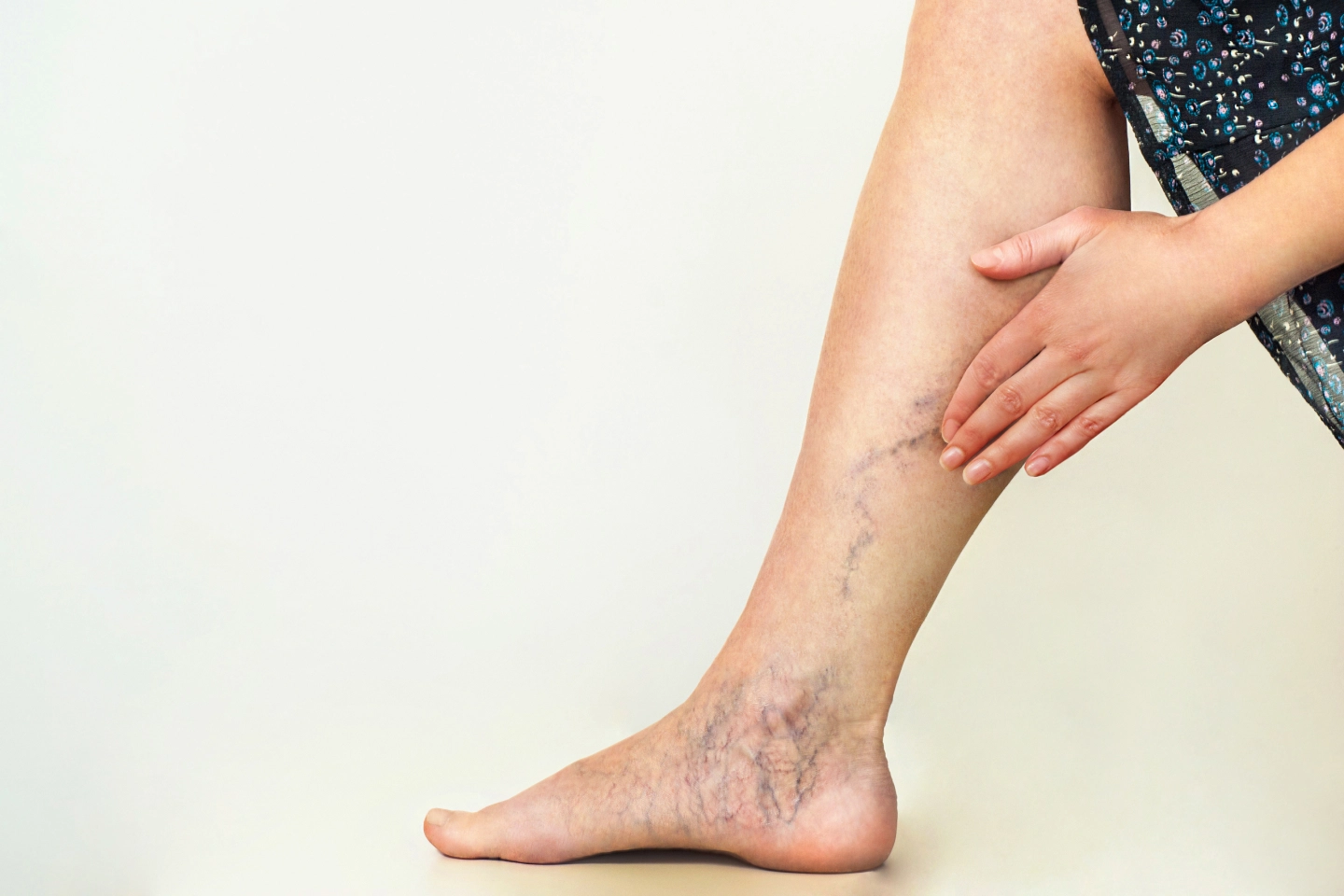
Varicose veins are swollen, twisted veins that most commonly appear in the legs due to weakened vein walls and faulty valves. While they are often a cosmetic concern, they can also cause pain, heaviness, swelling, and even skin changes if left untreated.
Traditional treatments involved surgery with long recovery times, but modern advances like laser treatment offer a minimally invasive, highly effective solution. Dr. Gaurav Sangam highlights that laser therapy combines safety, precision, and quick recovery, making it the preferred choice for many patients.
What Is Laser Treatment for Varicose Veins?
Laser treatment, also known as Endovenous Laser Therapy (EVLT), is a minimally invasive procedure designed to treat varicose veins effectively. During the procedure, a thin laser fiber is carefully inserted into the affected vein through a small puncture in the skin. Once in place, the laser emits controlled energy that heats the vein walls. This heat causes the walls to collapse and seal shut, preventing blood from pooling in the damaged vein. Over time, the body naturally absorbs the treated vein, and blood flow is redirected to healthier surrounding veins, improving circulation.
One of the major advantages of laser therapy over traditional surgical methods is its minimally invasive nature. There are no large incisions, which significantly reduces post-procedure pain, bruising, and scarring. Most patients experience a faster recovery, allowing them to return to normal activities sooner. Additionally, because the procedure is precise and controlled, the risk of complications is lower, and cosmetic outcomes are generally excellent, leaving the legs smoother and free from bulging veins.
Laser treatment is typically recommended for moderate to severe varicose veins, and when combined with other supportive measures such as compression stockings and lifestyle changes, it can provide long-lasting relief and improved leg health.
Who Is a Candidate for Laser Treatment?
- Adults with symptomatic varicose veins causing pain, swelling, or heaviness
- Patients with cosmetic concerns about visible veins
- Individuals with venous reflux or incompetent veins confirmed by ultrasound
- Patients seeking a minimally invasive, outpatient procedure
Laser treatment may not be suitable for patients with severe vein disease, blood clotting disorders, or certain skin infections. A proper evaluation by an expert like Dr. Gaurav Sangam ensures safety and effectiveness.
Benefits of Laser Treatment
1. Minimally Invasive Procedure
- No large cuts or stitches
- Small puncture points that heal quickly
2. High Success Rate
- Studies show over 95% success in sealing affected veins
- Low recurrence compared to traditional surgery
3. Faster Recovery
- Patients can usually resume normal activities within a day or two
- Less pain and bruising compared to surgical options
4. Cosmetic Advantages
- Reduces visible veins
- Minimal scarring or skin marks
5. Local Anesthesia
Procedure is done under local anesthesia, eliminating risks associated with general anesthesia
The Procedure
- Consultation and Ultrasound Mapping: Identify affected veins and plan treatment.
- Anesthesia: Local anesthesia is applied to numb the area.
- Laser Fiber Insertion: A thin fiber is guided into the vein using ultrasound.
- Laser Energy Application: Heat seals the vein walls.
- Compression: A compression bandage or stocking is applied to support healing.
- Post-Procedure: Patients can walk immediately and return to normal activities within days.
Recovery and Aftercare
- Mild bruising or soreness may occur for a few days.
- Avoid strenuous exercise or prolonged standing for 1–2 weeks.
- Wear compression stockings as advised to support healing.
- Regular follow-up ensures veins are properly sealed and blood flow is normalized.
FAQs About Laser Treatment for Varicose Veins
1. Is laser treatment painful?
Most patients experience mild discomfort or pressure. Local anesthesia minimizes pain.
2. How long does the procedure take?
Usually 30–60 minutes depending on the number of veins treated.
3. Will my veins come back?
Treated veins do not return, but new veins may develop over time. Regular monitoring helps detect any recurrence early.
4. Can I walk after the procedure?
Yes, walking is encouraged immediately after treatment to improve circulation.
5. Are there any risks?
Minimal risks include bruising, temporary numbness, or skin discoloration. Serious complications are rare when performed by an experienced surgeon.
Conclusion
Laser treatment for varicose veins is a modern, minimally invasive option that provides pain relief, improved appearance, and quick recovery. With advanced technology and expert care from Dr. Gaurav Sangam, patients can experience effective treatment without the drawbacks of traditional surgery.
Early evaluation and treatment prevent complications such as skin ulcers, bleeding, or blood clots, ensuring better long-term vein health.
If You Are Experiencing Leg Pain, Swelling, or Unsightly Varicose Veins, Schedule a Consultation With Dr. Gaurav Sangam. Modern Laser Treatment Can Relieve Symptoms, Improve Appearance, and Help You Return to an Active Lifestyle Quickly.
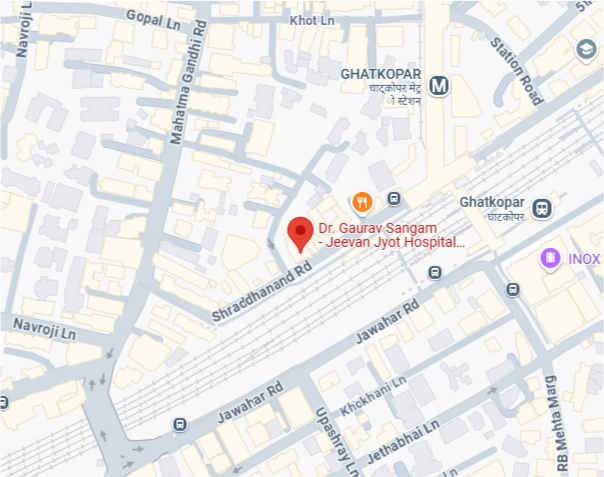
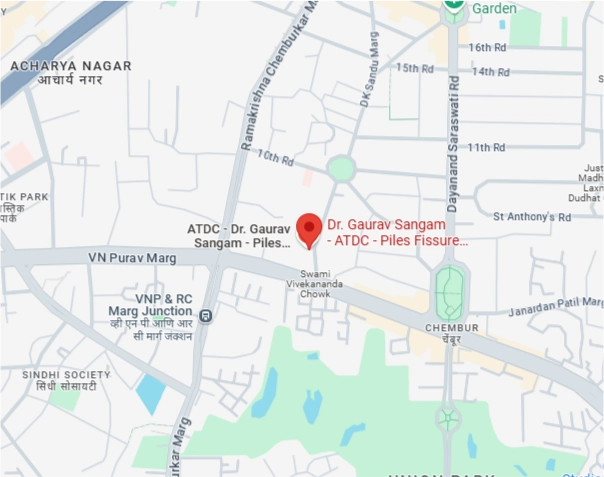
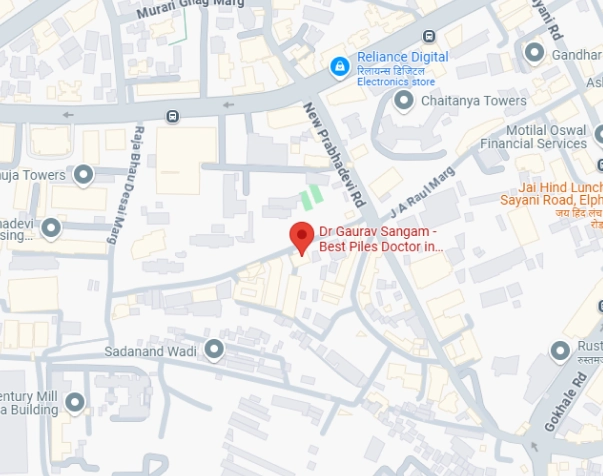
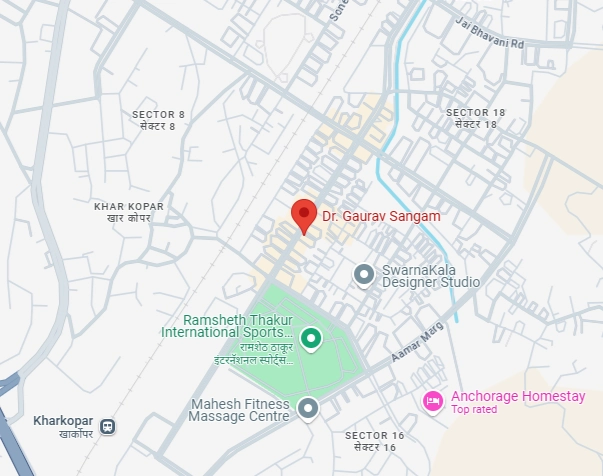
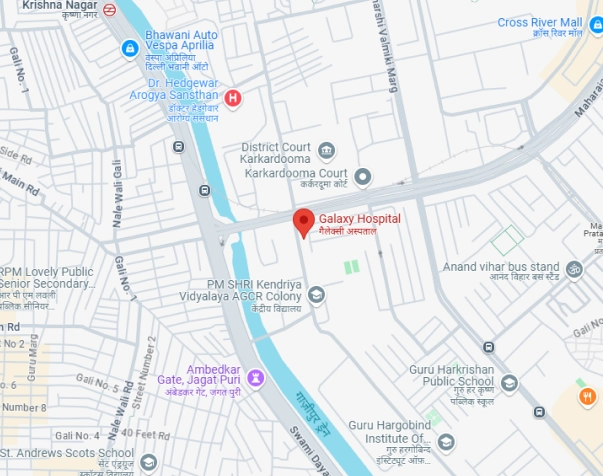
Our Locations